Established 2024
Battery, Alternator & Starter Repair
Why the charging and starting system matters
Your vehicle’s battery, alternator, and starter form the essential electrical triad responsible for starting the engine and powering electrical systems while the engine runs. Failure in any of these components results in a no-start condition, loss of charging, or electrical instability. A properly functioning starting and charging system is critical for reliable daily operation and preservation of your vehicle’s electrical health. Enrique Auto Electric specializes in diagnosing and repairing these core systems to ensure dependability.
Real-world repair examples
Case 1: Rapid battery failure after replacement
Symptom: New battery dies within weeks. Diagnostics: Performed parasitic draw test and found an aftermarket alarm module drawing excessive current while the vehicle was off. Repair: Repaired alarm wiring and verified acceptable quiescent current; new battery then retained charge properly.
Case 2: Alternator failing intermittently
Symptom: Battery light flickers and radio resets intermittently while driving. Diagnostics: Alternator voltage ripple testing showed diode failure causing AC ripple back into the electrical system. Repair: Replaced alternator and tested charging under road load; verified stable voltage and no ripple.
Case 3: Starter with grinding noise
Symptom: Starter grinds on engagement. Diagnostics: Found worn starter drive and slight misalignment due to damaged flywheel teeth. Repair: Replaced starter and inspected flywheel; replaced flywheel teeth where necessary and tested smooth engagement.
Diagnostic approach for battery, alternator, and starter issues
Battery condition testing
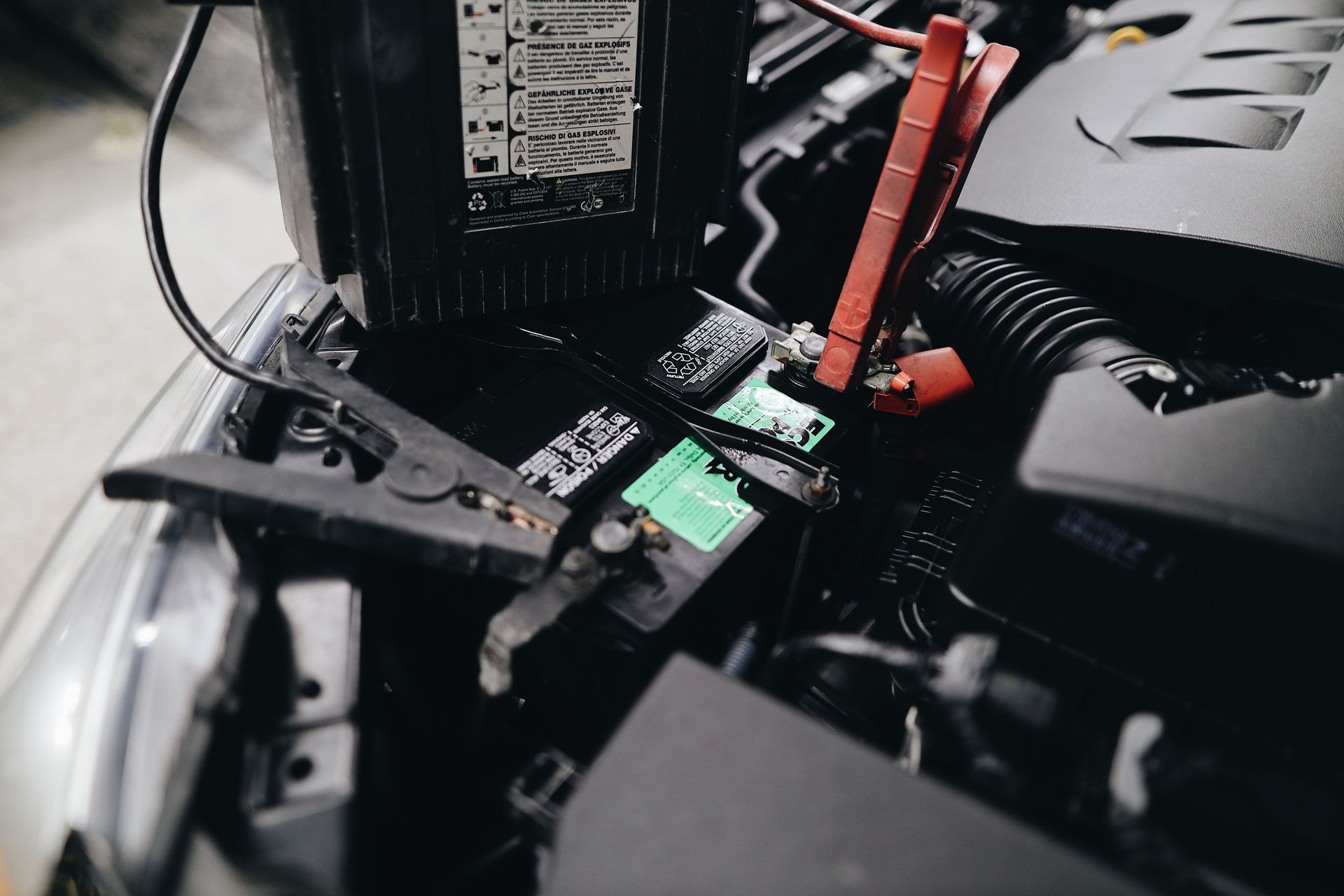
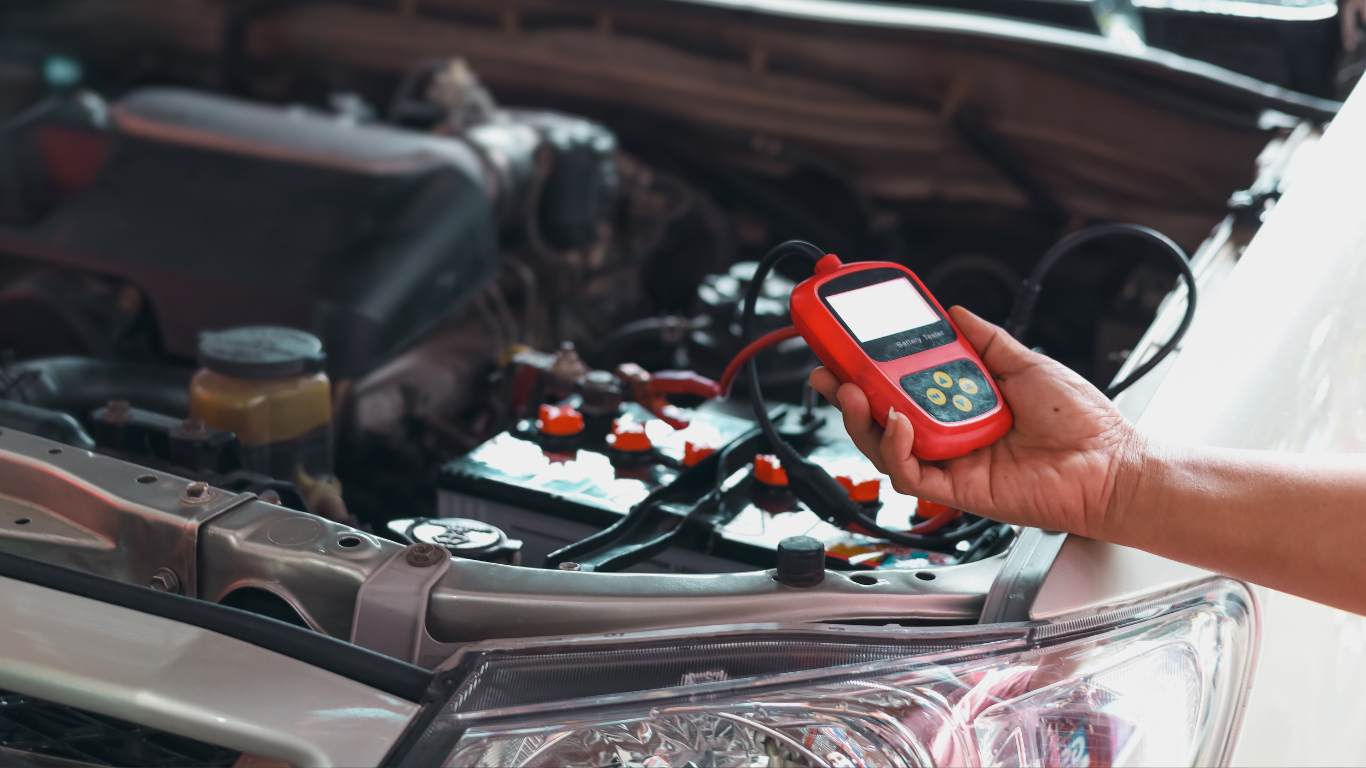
Perform voltage checks and load testing to determine battery health, capacity, and internal resistance. A battery with adequate resting voltage can still fail under load; load testing confirms performance.
Charging system evaluation
Test alternator output at idle and under load, check voltage regulation, and evaluate diodes for AC ripple that can cause charging and accessory issues.
Starter circuit tests
Measure voltage drop across starter cables, solenoid operation, and starter draw to determine if the starter motor or cable connections are failing.
Parasitic draw testing
When batteries discharge while parked, we perform a parasitic draw test to identify circuits or components draining the battery.
Wiring and connection inspection
Corroded terminals, loose battery posts, damaged ground straps, and poor cables often cause starting and charging issues; visual and electrical inspection confirms integrity.
- Auto electrical diagnostics & troubleshooting
Battery testing and replacement
Alternator repair and replacement
Starter repair and replacement
Charging system repairs
Fuse & relay replacement and circuit diagnosis
Headlight and lighting repairs
Power window and door lock electrical repairs
Ignition system repairs and no-start diagnostics
Parasitic battery drain diagnosis
ECU/computer diagnostics and check engine diagnostics
Car wiring repair and electrical short diagnosis
Mobile and on-site service for roadside issues
Signs you need battery, alternator, or starter service
Watch for these warning signs:
- Engine cranks slowly or doesn't crank at all
Battery warning light on the dashboard
Dimming lights or electrical accessories that operate poorly at idle
Rapid battery discharge despite recent replacement
Grinding or whining noises during starting
Smoke or burning smell during or after attempting to start
Clicking sound with no crank when key turned
Intermittent starting or sudden no-start conditions
Preventive maintenance tips
A few simple habits go a long way toward avoiding being stranded:
- Proactive battery replacement: Replace batteries proactively at 3–4-year intervals based on condition and climate.
Annual belt and pulley inspection: Inspect belts and alternator pulleys annually for wear and replace before failure.
Terminal care: Keep battery terminals clean and apply anti-corrosion spray after replacement.
Address issues promptly: Address any dimming or electrical oddities promptly to avoid cascading failures in the charging system.
Common repairs and replacements
Battery replacement and installation
Battery replacement and installation with proper terminal cleaning and protective sealing.
Alternator replacement or rebuild
Alternator replacement, including regulator and pulley inspection, or rebuild/repair when feasible and appropriate.
Starter replacement or rebuild
Starter replacement or rebuild, including solenoid and mounting checks.
Battery cable and terminal repair
Battery cable replacement and terminal repair to eliminate voltage drop.
Battery tray and hold-down inspection
Battery tray and hold-down inspection to prevent vibration-related failure.
Starter relay and ignition checks
Starter relay and ignition switch checks and replacement if needed.
Charging system belt service
Charging system belt inspection and replacement (serpentine belt/drive belt).
Diode and rectifier repair
Diode replacement or alternator rectifier repairs where applicable.
Why correct installation matters
- Proper battery installation ensures correct polarity, secure mounting, and good battery ground to prevent vibration damage and poor connections.
Alternator installation includes verifying charge output, belt alignment, and secure connections to the power distribution network.
Starter replacement must ensure correct ring gear engagement and proper electrical connection to avoid grinding or starter damage.
Battery, alternator, and starter considerations
Key facts by component:
Battery: Batteries generally last 3–5 years based on climate and usage; heat in Southern California can shorten lifespan. Keep terminals clean and connections tight, and we use qualified batteries with warranty options and documentation for future claims.
Alternator: Dimming lights, low battery voltage at idle, or a battery warning light suggest alternator issues from worn brushes, faulty voltage regulators, diode failure, or bearing wear. Testing includes output voltage at idle and load, ripple testing, and regulator function.
Starter:
Starter issues range from worn pinion gear or bearings to solenoid failure or damaged drive teeth, with symptoms including clicking noise on start attempts, slow crank, or no crank. Testing includes current draw tests and voltage drop measurements to ensure it operates within specs.
Battery-specific considerations
Age matters: batteries generally last 3–5 years based on climate and usage, and heat in Southern California can shorten lifespan. Maintenance: keep terminals clean and connections tight; many modern batteries are maintenance-free but require proper terminal care. Warranty: we use qualified batteries with warranty options and maintain documentation for future claims.
Frequently asked questions
Rest voltage of 12.6V indicates a full charge, but it doesn't guarantee performance under starter load. A battery load test verifies capacity and internal health.
Parasitic drains from modules, aftermarket electronics, or defective relays can draw current while the vehicle is off. We perform parasitic draw testing to isolate the source.
Clicking often indicates insufficient battery current reaching the starter or a faulty starter solenoid. We test battery under load and starter draw to determine cause.
Quality rebuilt alternators meeting OEM specifications can be reliable and cost-effective. We choose rebuilds from reputable suppliers or new units depending on vehicle and warranty considerations.
Contact and scheduling
To schedule battery, alternator, or starter diagnostics, call (323) 780-0949 or visit Enrique Auto Electric at 1901 W Whittier Blvd, Montebello, CA 90640. Describe the starting or charging symptoms when you call so we can prepare the appropriate diagnostic equipment.
Enrique Auto Electric delivers precise testing and durable repairs for batteries, alternators, and starters so your vehicle starts reliably and the charging system keeps your electrical load healthy.